|
LOG CABIN SERVICE 1927 |
LOG CABIN SERVICE 1998 |
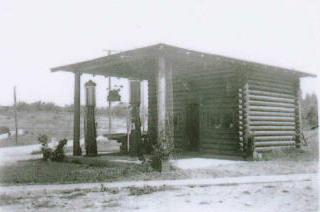
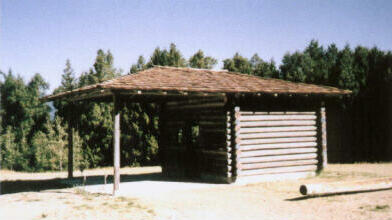

LOG CABIN SERVICE 2005
LESTER AND THOMSON GARAGE
SHUSWAP
CHAPTER'S NEW PROJECT AT R. J. HANEY HERITAGE PARK
HISTORY
SUPPLIED BY PAT SHIRLEY
Lester and Thomson was a well known firm having been established in the
late teens. The
owners, Alex Lester and Cyril Thomson had a large garage on the corner
of
Alexander and Front St. where the Home Hardware is presently located.
The gas
pump was very close to the street and was wiped out several times by
automobiles
which failed to negotiate the corner. For many years it was called
Bedford’s
corner because of their Drug store situated where the TD bank is now.
In 1918 they were listed as agents for Chevrolets and shortly after they added Overlands and Grey Dorts to their line. In about 1926 the partnership was dissolved. Lester moved to Kamloops and Thomson carried on under the name Thomson’s Garage. He then became an authorized dealer for General Motors cars and trucks.. Two of his mechanics were Wilfred Taylor and later Warick Golley. He also operated a taxi service for many years.
In 1937 the garage was sold to H.G.Gowing, who leased it to Robertson and Scales. They operated the gas pumps and lube rack, continuing to handle Shell products. It was now called Central Service. The back shop was rented to Sam Miller and Earl Reed who specialized in repairing cars and trucks. Thomson retained the G.M. franchise and continued to run his taxi business from an adjoining building until 1941. Before retiring in England he was president of the hospital. He was also Mayor of the City of Salmon Arm from 1928 to 1942. Doug Campbell, followed by Jack Hume took over from Robertson and Scales and they were agents for B.C.Coach Lines as well.
Until the early fifties Alexander and Front St. were part of the Trans Canada Highway so business was brisk. The basement of the garage was used for storing vehicles, one of which was a McLaughlin hearse owned by Matty Carroll, the undertaker. A huge, wood burning furnace, supplemented by waste oil fed in an unorthodox method was used for heating. This would have been a Fire Inspectors nightmare.
Sometime in the middle fifties George and Eddie Blanc purchased the garage, had it demolished and built a new structure which was to become the Willcox Hall Hardware store, then Marshall Wells and currently the Home Hardware.
In 1918 they were listed as agents for Chevrolets and shortly after they added Overlands and Grey Dorts to their line. In about 1926 the partnership was dissolved. Lester moved to Kamloops and Thomson carried on under the name Thomson’s Garage. He then became an authorized dealer for General Motors cars and trucks.. Two of his mechanics were Wilfred Taylor and later Warick Golley. He also operated a taxi service for many years.
In 1937 the garage was sold to H.G.Gowing, who leased it to Robertson and Scales. They operated the gas pumps and lube rack, continuing to handle Shell products. It was now called Central Service. The back shop was rented to Sam Miller and Earl Reed who specialized in repairing cars and trucks. Thomson retained the G.M. franchise and continued to run his taxi business from an adjoining building until 1941. Before retiring in England he was president of the hospital. He was also Mayor of the City of Salmon Arm from 1928 to 1942. Doug Campbell, followed by Jack Hume took over from Robertson and Scales and they were agents for B.C.Coach Lines as well.
Until the early fifties Alexander and Front St. were part of the Trans Canada Highway so business was brisk. The basement of the garage was used for storing vehicles, one of which was a McLaughlin hearse owned by Matty Carroll, the undertaker. A huge, wood burning furnace, supplemented by waste oil fed in an unorthodox method was used for heating. This would have been a Fire Inspectors nightmare.
Sometime in the middle fifties George and Eddie Blanc purchased the garage, had it demolished and built a new structure which was to become the Willcox Hall Hardware store, then Marshall Wells and currently the Home Hardware.
The original
Lester and Thomson garage building was 40 ft. by 40 ft. Later another 40 ft. by
40 ft. was added at the rear. The Shuswap Chapter will build the first phase of
the replica as it was done before, 40 by 40, with provision at the back of the
first phase for the addition as before. It was decided by the building committee
to do it this way as the cost of doing the full 40 ft. by 80 ft. at this time
would be more than we can afford.

